Natural Stone Veneer
Real natural stone installed as a properly detailed veneer system with appropriate backing, flashing and water management.
DinoMac Masonry builds and restores natural stonework across PEI, including thin natural stone veneer, full-bed stone, pillars and entrance columns, steps, walls, fireplaces, hearths, flagstone and custom architectural stonework.
Natural stone is one of DinoMac's defining specialties. The work is planned around stone selection, support, water management, jointing and the visual balance of the finished wall rather than treating stone as a decorative layer that can simply be applied to any surface.
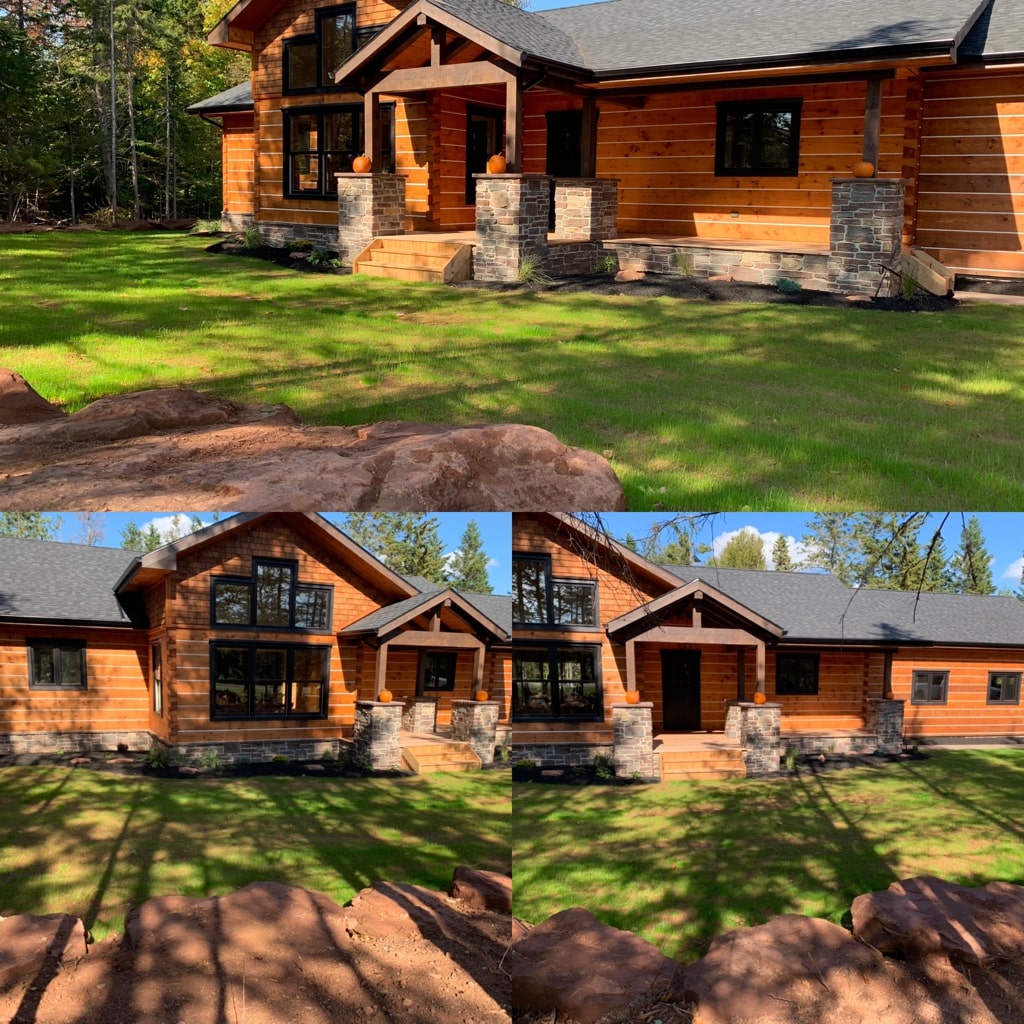
DinoMac works with natural stone on new homes, renovations, entrances, fireplaces, landscape features, older buildings and restoration projects.
Real natural stone installed as a properly detailed veneer system with appropriate backing, flashing and water management.
Traditional thicker natural stone construction for substantial walls, pillars, heritage work and projects designed for the added depth and weight.
Driveway pillars, entrance columns, address features and architectural stonework designed around the scale and materials of the property.
Horizontal stonework planned for support, drainage, foot traffic and PEI freeze-thaw exposure rather than appearance alone.
Natural stone surrounds, hearths and fireplace masonry designed to fit the proportions and material language of the room.
Repointing, resetting loose stone, selective rebuilding and repair of existing stone walls, foundations, chimneys and architectural features.
DinoMac combines third-generation stonemasonry knowledge with more than 20 years of hands-on masonry experience. That background matters because every natural stone project requires continuous decisions about bearing, shape, colour, joint flow, corners and how the finished work relates to the architecture around it.
“We recently built a new house and utilized DinoMac Masonry for the chimney and several stone columns. Dean and his team were lovely to deal with and were prompt, tidy and have great attention to detail. Dean made a few suggestions along the way to improve the design slightly and we love how they turned out. We would highly recommend Dean and his crew and would definitely use them again when we have more masonry requirements.”
Brick and block are manufactured to consistent sizes. Natural stone is not. Every piece has its own shape, face, bedding characteristics and visual weight.
The mason has to decide where each stone belongs, how it bears, how the joint will flow around it and how the next several stones will relate to it. That process is part structure, part geometry and part visual judgment.
DinoMac's stonework is backed by generations of family stonemasonry knowledge and years of building and restoring natural stone across PEI.
Good stonework has variation without looking chaotic. Large stones need balance, vertical joints should not dominate the wall and the eye should move across the finished work without being pulled toward awkward gaps or patterns.
DinoMac works with natural stone on new construction, renovations, restoration and custom outdoor projects.
Real natural stone applied as a veneer system to properly prepared residential and commercial wall assemblies.
Traditional thicker stone masonry where the stone is properly supported and built as a substantial masonry element.
Stone gate pillars, entrance columns, address features and architectural masonry designed to fit the scale of the property.
Natural stone and masonry steps, landings and related entrance features built for durability and visual weight.
Natural stone fireplace surrounds, hearth masonry and restoration of existing stone fireplaces.
Repointing, resetting loose stone, selective rebuilding and repair of existing stone walls, foundations and architectural features.
Natural stone veneer uses real stone that has been selected or cut to a reduced thickness compared with traditional full-bed stone.
Because the stone is lighter, it can often be incorporated into renovations and new construction where a full-depth stone wall would require substantially more support.
The lighter stone does not eliminate the need for good detailing. Substrate preparation, water management, flashing, movement joints and bonding all influence how well the finished veneer performs.
Stone cannot compensate for a weak or poorly prepared substrate. The wall behind the stone should be suitable for the selected veneer method before installation begins.
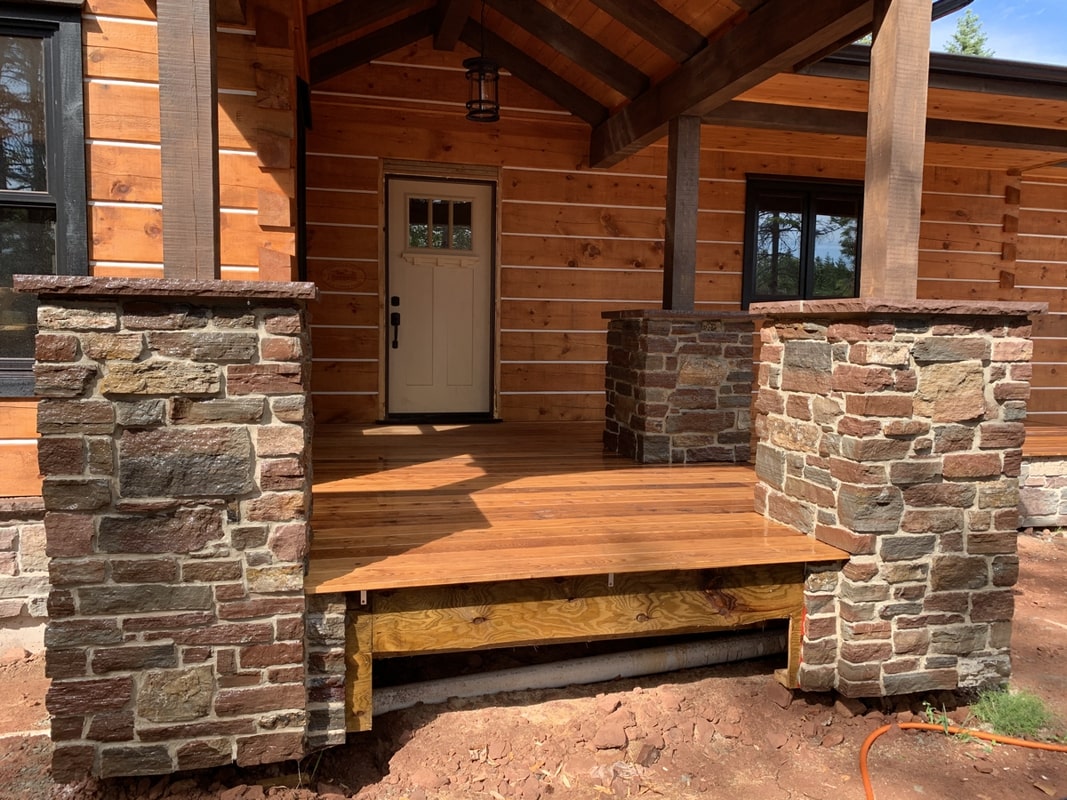
Full-bed stone is thicker than veneer and is built as a more substantial masonry element. Depending on the application, it may require a suitable footing, ledge or other structural support.
Because the stone has greater depth, the mason is working with more than the visible face. Bearing, backing, bond and the shape of the stone within the wall all become part of the construction.
This method is particularly suited to pillars, substantial walls, heritage work and projects where the depth and character of traditional stone masonry are part of the design.
Natural stone should be sorted and understood before it is installed. Colour range, face size, thickness and shape all influence the final pattern.
Larger stones can anchor an elevation. Smaller stones can fill and transition, but too many small pieces can make a wall look busy. Long uninterrupted vertical joints can make otherwise good stonework look weak.
A mason is constantly balancing the next stone against the ones already in the wall. That is why layout is one of the biggest differences between ordinary installation and skilled stonework.
The same stone can look completely different depending on mortar colour, joint width, depth and finish.
Wide, irregular joints can suit certain rustic stone styles, while tighter joints produce a more refined appearance. The stone itself should guide the choice.
Recessed, flush and tooled joints each create a different shadow line and weathering surface. The profile should be deliberate rather than accidental.
Mortar can visually disappear into the wall or become an important part of the design. Colour should be considered alongside the stone, not after it.
Corners should have enough depth and variation that the wall does not look like a thin decorative layer wrapping around the building.
Window and door openings, sills, caps, arches and transitions require planning so the stone does not end awkwardly against another material.
On custom work, the relationship between the stone and adjoining wood, siding, metal, concrete or roofing can be just as important as the stone itself.
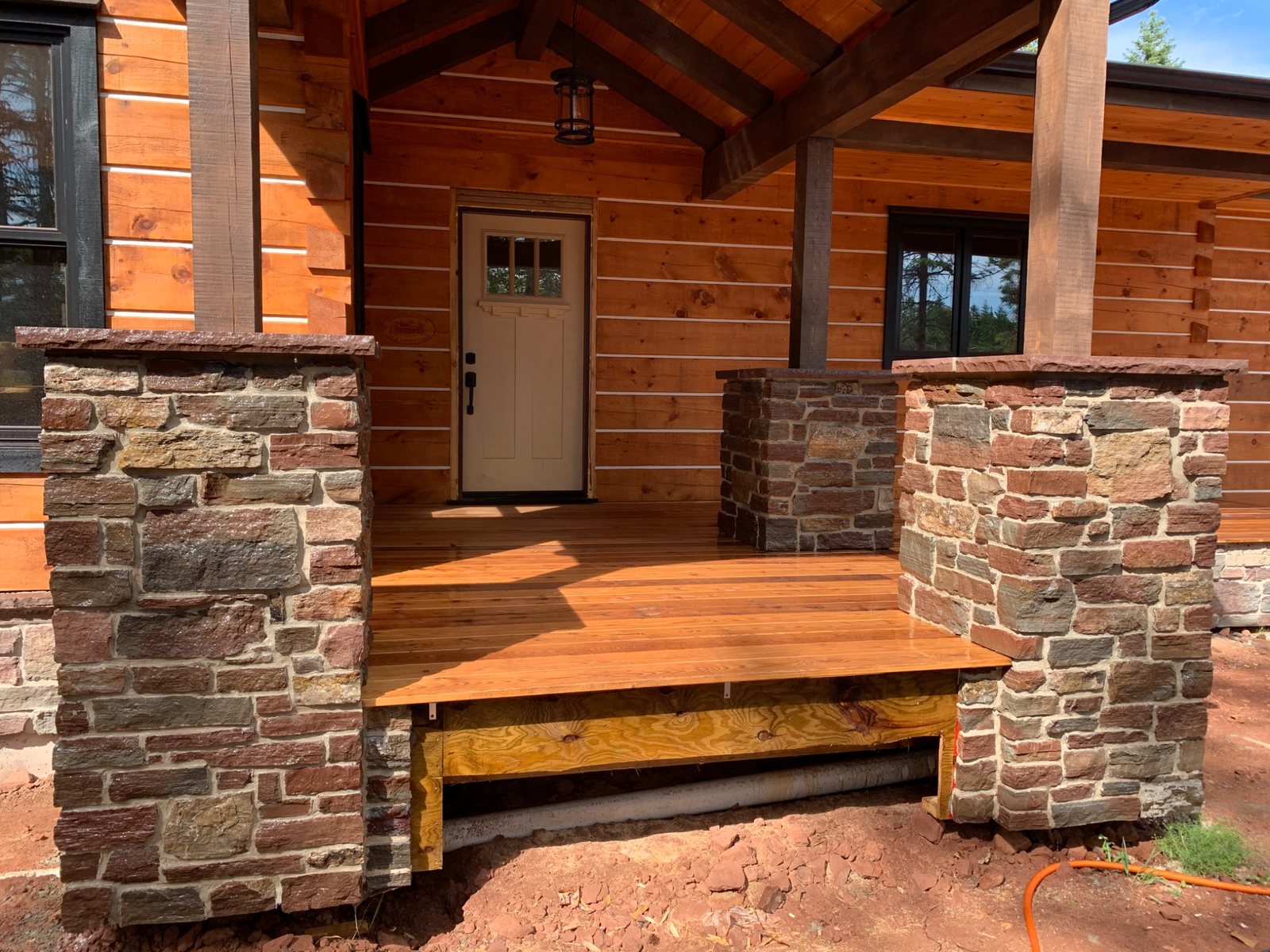
Entrance pillars, gate features and low walls can change how an entire property is perceived without covering the whole building in stone.
Stone pillars can frame a driveway, carry lighting or signage and create a strong arrival point at the property.
Low masonry walls can define terraces, gardens and transitions while connecting the landscaping visually to the building.
Steps, landings, columns and stone accents can be designed together so the entrance reads as one composition rather than several separate materials.
Steps, caps, landings and flagstone are exposed differently from vertical walls. Water sits on them, snow accumulates and freeze-thaw exposure is often more severe.
Slope, jointing, support and drainage all matter. A beautiful stone step that holds water at every joint is not a successful detail in PEI.
Horizontal stonework should be designed so water leaves the surface instead of being invited into the masonry below.
Durability depends heavily on avoiding prolonged saturation. Good support and drainage are just as important as selecting a durable stone.
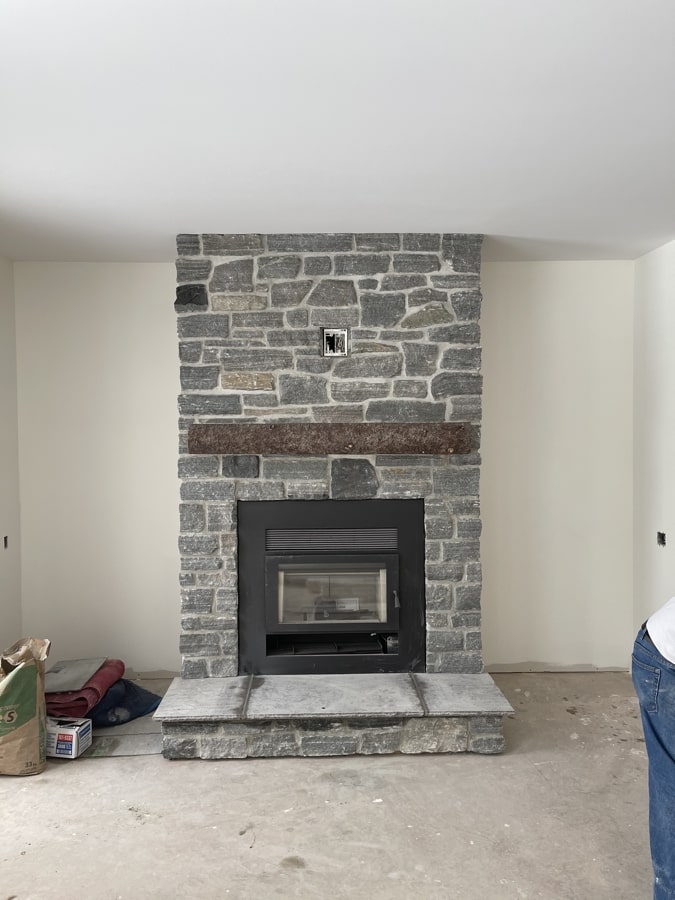
Natural stone works particularly well around fireplaces because it has the weight and texture to become a focal point without relying on decorative trim.
DinoMac builds and restores natural stone fireplace surrounds, hearths and related masonry, with attention to proportions, stone selection and how the fireplace fits the room around it.
Fireplace MasonryNatural stone itself can last for generations while the mortar around it gradually deteriorates.
Restoration may involve repointing, resetting loose stones, replacing isolated damaged units, rebuilding unstable sections or correcting water-entry details.
Where sound original stone can be retained, preserving it usually produces a better visual result than replacing an entire wall with new material.
Masonry Restoration & Repointing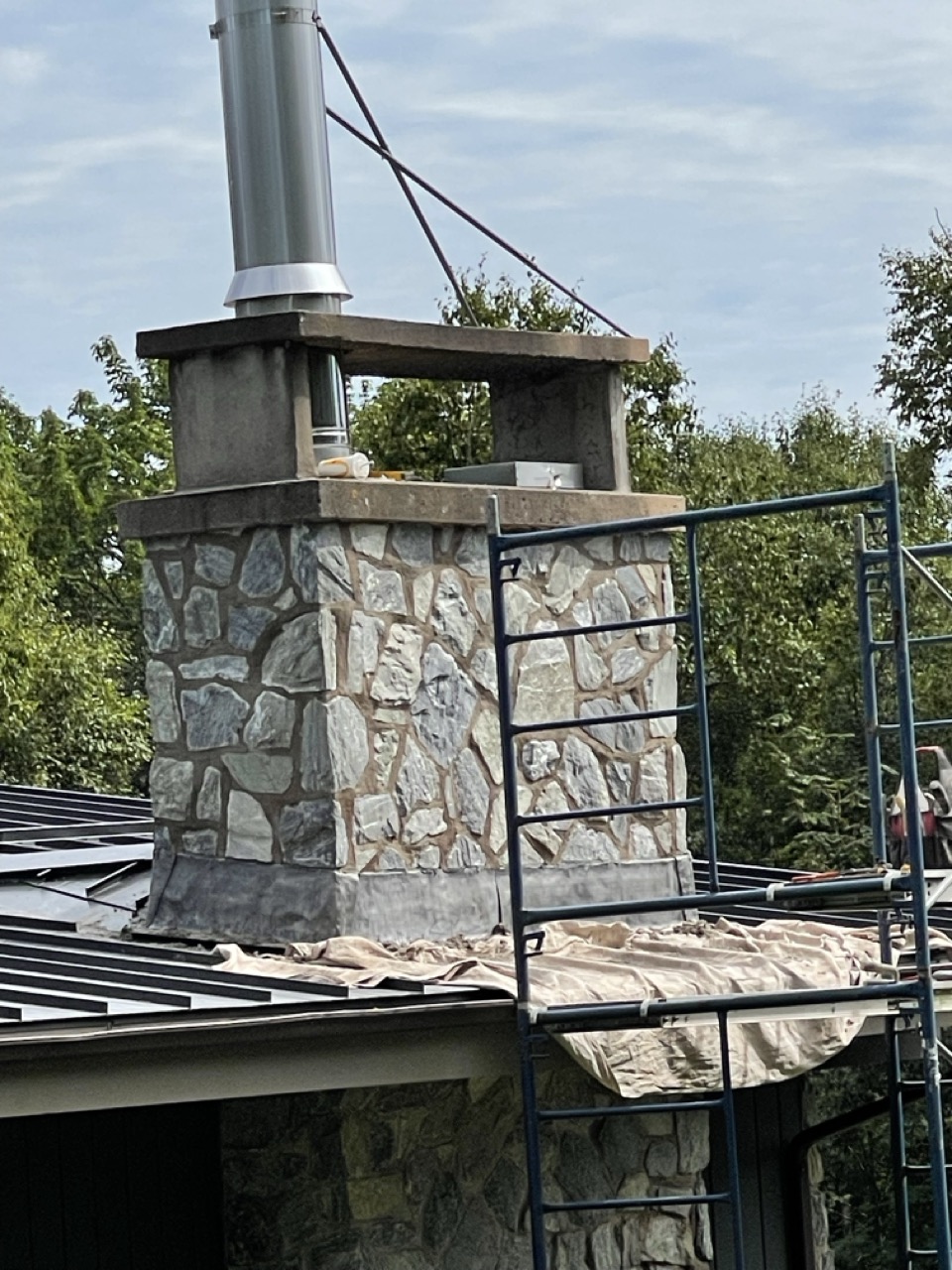
Many stone failures begin at the places where water is allowed to collect or enter behind the masonry.
Pillars and walls need properly detailed tops so water is shed away from the masonry rather than absorbed through horizontal joints.
Windows, doors, roofs and transitions require careful detailing so water does not become trapped behind the stone.
Veneer systems need a way to manage incidental moisture that reaches the wall assembly. The visible stone is only one part of the system.
Outdoor fireplaces, fire features, seating walls, kitchens and entrance masonry can all use stone to create a consistent architectural language across the property.
DinoMac builds custom masonry features, while sister company ModuStone develops modular outdoor fire pits, fireplaces and kitchens for projects where a repeatable manufactured system is a better fit.
Visit ModuStone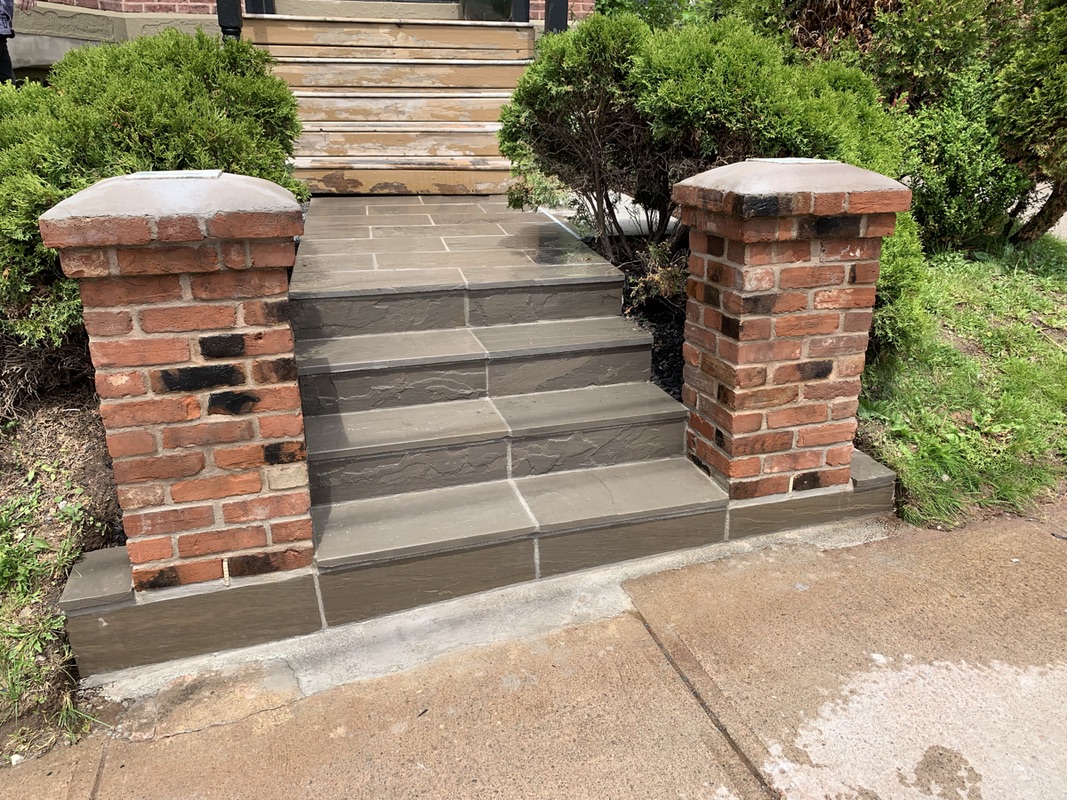
New work gives more freedom to control stone selection, layout, support, flashing and joint appearance from the beginning.
The aim is to create a stone system that fits the architecture and is detailed for long-term exposure.
Restoration begins with what is already there. Original material, previous repairs, wall movement and historic character all influence the repair approach.
The goal is to preserve sound work and make the repair blend into the surrounding stone.
DinoMac combines generations of family stonemasonry knowledge with modern tools and years of building and restoration work across Prince Edward Island.
That experience shows in the details, the way stones are selected, how corners turn, how joints flow and how the finished work relates to the building.
DinoMac is PEI's highest-rated masonry contractor on Google, with a long-standing island-wide reputation for natural stone, restoration and detailed masonry work.
Let the stone guide the layout, give the wall proper support and water management, keep the joints intentional, and build something that still looks right when the novelty of it being new has worn off.
DinoMac is based in Bonshaw and serves stone masonry projects throughout Prince Edward Island, including Charlottetown, Stratford, Cornwall, Summerside and surrounding rural communities.
Stone choice and detailing should respond to the actual exposure of the project. PEI's rain, wind, salt exposure in some locations and repeated freeze-thaw cycles make support, drainage, caps, flashing and horizontal surfaces especially important to long-term performance.
View PEI Service Areas“Dean recently completed stone cladding of an indoor chimney in a heritage home in Charlottetown for us and the final result was outstanding! Would highly recommend Dean for any stone/masonry work.”
DinoMac provides natural stone masonry across Prince Edward Island, including thin natural stone veneer, full-bed stonework, pillars and entrance columns, steps and landings, fireplaces and hearths, walls, flagstone, custom architectural stonework and restoration of existing stone masonry.
Stone masonry cost depends on the stone type, wall system, amount of cutting and fitting, access, support, flashing and drainage details, joint style and overall project complexity. A small entrance feature and a full building elevation have very different labour and material requirements, so photos, dimensions and the selected stone are useful for an initial estimate.
DinoMac works on natural stone veneer, full-bed stonework, pillars, entrance features, walls, steps, fireplaces, hearths, chimneys, flagstone and other custom masonry features. The appropriate system depends on the building, substrate, exposure and design.
Yes, natural stone veneer is real stone that has been cut or selected to reduce thickness and weight compared with full-bed stone. It provides the appearance and material qualities of natural stone while using a different wall assembly.
Full-bed stone is thicker and typically bears on a suitable masonry or structural support. Thin natural stone veneer is lighter and is bonded to a properly prepared substrate using a veneer system. The detailing and support requirements are different.
Often, yes. The existing wall, foundation support, substrate, openings, flashing and water-management details need to be evaluated so the stone system is appropriate for the building.
Often, yes. Loose stones, failed joints and localized damaged areas can sometimes be repaired or rebuilt selectively while preserving the surrounding sound masonry.
There is no single best joint for every project. Joint width, depth, profile and colour should suit the stone, architectural style and exposure. The joint should look intentional and also shed water effectively.
Natural stone is durable, but the mortar joints, caps, flashing and drainage details still need maintenance over time. Early repointing and repair of water-entry points can prevent much larger restoration work later.
Yes, when the stone, mortar, support and water-management details are appropriate. The key is limiting prolonged saturation and giving water a way to drain so repeated freezing does not create unnecessary damage.
Support, drainage, backing, mortar and the existing building all influence which stone system and repair approach make sense.
Compare support, backing, thickness and construction before choosing the system.
See what matters in colour, texture, size, joint profile and weathered appearance.
Learn when a breathable water repellent may help and when sealing can make moisture problems worse.
Understand why gentle cleaning, test areas and compatible methods matter.
Tell DinoMac what you are seeing, where the property is located and what you would like to accomplish. If you have photos, they can help establish the next step.
Send the project location, photographs of the building or area, and a description of the stonework you have in mind. If you already have a particular stone selected, include that information as well.